Opinion: The Great Lakes – Uncovering the Deep Truths Behind Nature’s Inland Seas
The Great Lakes have long captivated explorers, vacationers, and scientists alike with their sheer scale and picturesque beauty. However, when we take a closer look at these immense bodies of water through the lens of depth, a whole new world of subtle differences and hidden details unfolds. Instead of focusing simply on surface area, examining the Great Lakes by their maximum and average depths reveals a hierarchy of water bodies that wield unique influences on climate, commerce, and ecology. Today, we’re going to dig into how these colossal lakes, each with its own set of tricky parts and tangled issues, have been shaped by their submerged characteristics.
In our journey, we’ll explore the hidden depths of each lake—from Superior’s ship-swallowing trenches to Erie’s warm and rapidly changing shallows. We’ll poke around at how deep basins influence everything from storm intensity to pollutant retention and even fish migrations. In this opinion editorial, we’ll break down the lakes’ features in fresh perspectives, using tables and bullet lists to make the complex, yet fascinating, issues a little easier to understand.
Understanding the Role of Depth in Shaping Lake Behavior
When you look at the Great Lakes on a map, they might seem like five similar, interconnected bodies of water. But by examining their depths, we discover a series of subtle yet important differences that significantly influence each lake’s behavior. Depth isn’t just a measurement—it’s a super important factor that affects water temperature, residence time, and even how quickly a lake processes nutrients and pollutants.
Let’s take a closer look at how depth changes the story of these great inland seas:
- Water Residence Time: Deeper lakes tend to store water for longer periods, meaning substances from industrial runoff or natural events can remain sequestered for decades or even centuries.
- Temperature and Ice Formation: Shallower lakes warm and cool more rapidly. This creates differences in seasonal behaviors—one lake might freeze early in the winter, while another remains active and stirs up massive wave action.
- Currents and Water Mixing: The morphological structures of deep basins can generate powerful currents that affect fish migration patterns and local weather systems.
- Storm Impacts: Lakes with deep basins have the capacity to produce mighty, ocean-scale storms that leave a lasting impression on coastal communities.
This intricate interplay of factors makes the Great Lakes a connected but diverse network, each with its own set of advantages and vulnerabilities. Let’s now take a deeper dive into each lake’s profile—where the hidden details and subtle differences really come to life.
Lake Superior: The Majestic Deepwater Giant
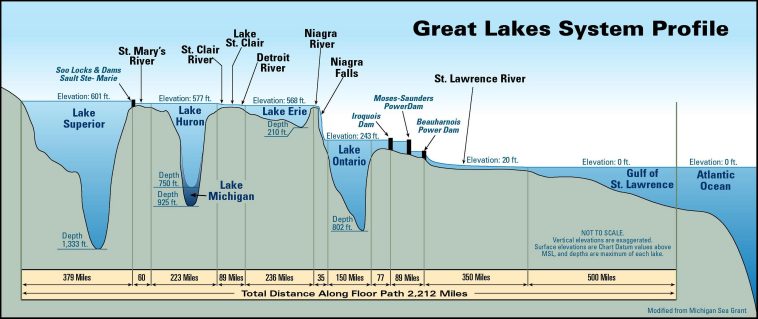
Often celebrated as the flagship of the Great Lakes, Lake Superior isn’t just the largest by surface area—it’s also the deepest, plunging to an impressive maximum depth of 1,333 feet (406 m). Its colossal basins create a natural reservoir that is key to understanding the lake’s temperament and climatic influence.
Ship-Swallowing Trenches and Century-Scale Memories
Lake Superior’s great depths result in a unique ability to store cold water for nearly two centuries. This long water residence time turns the lake into what some might call a “time capsule” for both natural elements and human-made contaminants. The cold, dense water locked away in these deep basins helps fuel powerful, ocean-like storms that can generate waves over 30 feet high.
For sailors and visitors alike, the intimidating thought of navigating these deep, often murky expanses is both thrilling and a little nerve-racking. Yet, it’s this very secrecy beneath the surface that makes the lake an endless source of stories and scientific inquiry.
Climate Influence and Ecological Impact
Due to its depth and size, Lake Superior exerts a profound influence over the climate of surrounding regions. The deep water, retaining its cold character for long periods, modifies local weather patterns, sometimes contributing to intense lake-effect snow and powerful wind gusts. These subtle details and the fine points of water mixing not only affect the natural world but also have key implications for local communities, particularly those that depend on fishing and shipping.
In summary, the vastness of Lake Superior not only offers breathtaking vistas but also serves as a critical player in maintaining the ecological balance by regulating temperatures and influencing storm dynamics along the northern shores.
Lake Michigan: A Glacial Legacy Amid Dynamic Shorelines
While not as deep as Superior, Lake Michigan stands out with its fascinating blend of significant depth and dynamic hydrological connectivity. With a maximum depth of 925 feet (282 m) and an average depth of 279 feet (85 m), it offers a dramatic illustration of how a lake’s depth can reshape currents and fish migrations within a shared water system.
Hydrologically Connected Wonders
Lake Michigan and Lake Huron are hydrologically linked, effectively forming a single, gigantic freshwater body with endless possibilities. This connection is vital, as it influences water flow patterns and creates subtle differences in water quality and ecological health that ripple through the entire region. The shared basin of Lake Michigan-Huron plays a key role in stabilizing water levels and curbing rapid changes in temperature, making it a critical component in the local environment.
Urban Influences and Coastal Dynamics
Lake Michigan is notable not only for its natural features but also for its extensive urban coastlines, which include major cities like Chicago. These urban zones come with their own set of challenges, including managing pollution, storm water runoff, and the impact of recreational activities. Yet, the lake’s significant depth helps buffer some of these issues by supporting a relatively stable water column. At the same time, the finer details of sand dunes, industrial shorelines, and bustling ports paint a picture of both human ingenuity and the persistent tug-of-war with nature’s forces.
The blend of natural depth with urban pressures creates a complex environment that is a vivid reminder of the fine line between the natural world’s unpredictable behavior and human efforts to manage its impacts.
Lake Ontario: The Eastern Gateway with a Subtle Balance
Lake Ontario, the easternmost of the Great Lakes, might not have the largest surface area, but it certainly punches above its weight in terms of water volume and ecological significance. With a maximum depth of 802 feet (244 m) in the Rochester Basin, Ontario shows just how a lake’s depth can shape its role as both a collector of freshwater and a reservoir for ecological interactions.
Outlet Dynamics and Environmental Tensions
Lake Ontario’s depth and volume give it a unique standing as the chain’s final outlet to the Atlantic Ocean. Fed mainly by the Niagara River and drained by the mighty St. Lawrence River, the lake acts as a critical juncture between inland freshwater resources and the broader marine environment. The lake’s outlets play a fundamental role in regulating water levels and managing nutrient loads—an essential process that is both key and full of problems due to heavy urban and industrial influences.
Striking a Balance Between Urbanization and Natural Processes
Despite its relatively compact size, Lake Ontario’s steep depth gradients coupled with lake-effect snow patterns create a delicate balance. Areas around the lake must contend with rapid shifts in water temperature and unexpected storm surges. Nearby cities and communities face the nerve-racking challenge of balancing economic development with the need to preserve ecological integrity. This tug-of-war highlights the intricate mix of factors that come into play—every slight difference in depth or shoreline configuration can have far-reaching effects on the local ecosystem.
Ultimately, Lake Ontario is a microcosm of the broader issues facing the Great Lakes: the need to harmonize human development with the subtle, often complex rhythms of nature, where each twist and turn in water depth contributes to the bigger picture.
Lake Huron: The Intricate Mosaic of Islands and Deep Basins
Lake Huron, though not as deep as Superior or Michigan, holds a special place in the Great Lakes system. With a maximum depth of 751 feet (229 m) and an average depth of 195 feet (59 m), it presents a unique blend of deep basin characteristics and a famously intricate shoreline, dotted with over 30,000 islands including the remarkable Manitoulin Island.
Island Richness and Hidden Waterways
The numerous islands and bays of Lake Huron serve as a haven for wildlife and a repository of rich, though heavily altered, ecosystems. This mosaic of land and water creates an environment full of problems for conservationists who grapple with protecting fragile habitats while managing the demands of tourism and commerce. The nitty-gritty of these hidden details—ranging from historic shipwrecks to secret coves—sheds light on the lake’s longer, almost storied past.
For visitors and locals alike, the charm of Lake Huron is found in its ability to surprise the unwary. A simple boat trip can reveal unexpected twists, from serene, isolated inlets to lively areas bustling with recreational activity. Such subtle parts of the lake’s character often get lost in the broader narrative of water systems, yet they are super important when it comes to understanding the full scope of the lake’s influence.
Hydrological Unity and Environmental Challenges
Lake Huron’s deep connection to Lake Michigan through the hydrologically unified system means it shares many of the same water level regulations and environmental challenges. However, its lower average depth makes it more prone to the quick mixing of surface waters. This fluidity can be a double-edged sword—while it fosters a dynamic, ever-adapting ecosystem, it also allows pollutants and invasive species to stir up with alarming speed.
In the broader context, Lake Huron represents the classic blend of nature’s hidden complexities and the visible, sometimes overpowering, effects of human influence. The delicate dance between water circulation, island ecosystems, and coastal development demands that we take a closer look at every subtle aspect of this unique body of water.
Lake Erie: The Shallow Contender with a Rapid Pulse
In stark contrast to its deeper siblings, Lake Erie is the shallowest of the Great Lakes, with an average depth of just 62 feet (19 m) and a maximum depth of 210 feet (64 m). This shallowness brings both certain benefits and a host of challenges. Its relatively quick water turnover—roughly 2.6 years—makes the bay not only biologically productive but also highly sensitive to environmental changes.
Advantages of a Shallow Basin
There’s a certain charm in the compact nature of Lake Erie. The warmth that comes with its shallowness makes it the first lake to freeze during winter, lending a unique rhythm to the seasonal cycle. This characteristic also means that the lake supports an incredibly dynamic ecosystem that teems with life during the warmer months. The rapid water exchange allows nutrients to circulate briskly, often contributing to robust fish populations and vibrant aquatic plant life.
Challenges in a Rapidly Changing Environment
However, the very strengths of Lake Erie are also its vulnerabilities. The quick turnaround of its waters makes it highly susceptible to environmental stressors like nutrient surges and toxic algal blooms. These events, sometimes triggered by heavy rainfall or industrial runoff, can dramatically alter water quality in a matter of months. The shallow nature of the lake means that pollutants are not stored away for long, instead rolling through the ecosystem and impacting both wildlife and human communities along its heavily populated shores.
Managing these rapid changes in Lake Erie requires meticulous attention to both natural processes and modern industrial demands. By understanding the subtle differences brought about by its shallowness, communities around Lake Erie have been working hard to figure a path through the tangled issues of pollution control, water quality management, and sustainable recreation.
Comparative Insights: A Table of Depth and Influence
To better appreciate the profound impacts that depth has on each of the Great Lakes, consider the following table summarizing key metrics:
| Lake | Max Depth (ft/m) | Average Depth (ft) | Key Influences | Bordering Regions |
|---|---|---|---|---|
| Lake Superior | 1,333 ft (406 m) | 483 ft | Century-scale water retention, powerful storms, pollutant preservation | Minnesota, Wisconsin, Michigan |
| Lake Michigan | 925 ft (282 m) | 279 ft | Shared basin dynamics, urban industrial influence, deep water currents | Wisconsin, Illinois, Indiana, Michigan |
| Lake Ontario | 802 ft (244 m) | 283 ft | Outlet regulation, ecological tensions, rapid nutrient cycling | New York |
| Lake Huron | 751 ft (229 m) | 195 ft | Island mosaics, dynamic shoreline processes, shared water system with Michigan | Michigan |
| Lake Erie | 210 ft (64 m) | 62 ft | Rapid water turnover, susceptible to algal blooms, vital for fisheries | Michigan, Ohio, Pennsylvania, New York |
This table illustrates how depth correlates with ecological and economic roles. While each lake displays its own set of twisted issues and subtle parts, the interconnectivity of these inland seas means that changes in one can often ripple through the others. Whether it’s the marine-scale storms of Superior or the quicksilver reactions of Erie’s waters, the hidden details behind each lake’s depth tell a story of both beauty and challenge.
Environmental Tensions and Economic Impacts: How Depth Shapes Policy
Understanding the fine points of the Great Lakes’ depth is more than an academic exercise—it’s a super important factor in managing environmental policy and regional commerce. By examining how each lake’s depth affects its water retention, temperature, and pollutant dynamics, governments and local authorities can better design strategies that balance human activity with natural preservation.
Policy Considerations in a Changing Climate
As climate change works its way into every corner of our world, the contrasting characteristics of the Great Lakes become even more critical. The long water residence of Lake Superior, for example, means that pollutants and temperature shifts can have lingering impacts. Conversely, Lake Erie’s rapid water turnover implies that environmental hazards can emerge quickly and, if not addressed, spread rapidly. The subtle details of water mixing and nutrient cycling require that policy-makers get into the nitty-gritty of each lake’s dynamics before making decisions.
Key issues policymakers must face include:
- Pollution Management: Regulating industrial and agricultural runoff to preserve water quality, especially in lakes vulnerable to quick contaminant dispersal.
- Urban Development: Balancing the demands of growing cities with efficient water usage and waste treatment, particularly around Lake Michigan, Ontario, and Erie.
- Recreational Safety: Ensuring that waterborne sports and leisure activities can be enjoyed without undue risk from unexpected storms or sudden temperature shifts.
- Fisheries and Wildlife Protection: Managing the subtle parts of local ecosystems that are impacted by the changing dynamics of water depth, such as fish migrations and invasive species.
Each of these issues is riddled with tension, and every policy decision must consider the quick changes in water quality, the delicate balance of ecosystems, and the ever-growing strain of human activity. It’s a complex, often intimidating challenge—a vivid demonstration of how nature’s small distinctions can have huge economic and ecological ramifications.
Recreational Opportunities and the Role of Depth in Tourism
The Great Lakes are not only a subject of environmental and policy debate—they also play a pivotal role in recreation and tourism. From sailing and fishing to lakeside picnics and scenic drives, these inland seas attract millions of visitors every year. However, the same properties that make them awe-inspiring also demand respect from those who venture onto their waters.
Planning Your Visit: What to Expect from Each Lake
Given the diverse character of each Great Lake, travelers need to be aware of the mixed bag of unique conditions. Here’s a quick guide on what to expect when you find your way to these deepwater destinations:
- Lake Superior: Expect dramatic weather changes. The vast, deep basins fuel swirling storms—ideal for thrill-seekers but a challenge for those who prefer calmer waters. Bring plenty of warm clothing and a cautious attitude.
- Lake Michigan: With its urban charm and dynamic water currents, this lake is fantastic for night-time city views and extensive sandy shorelines. Ideal for both recreational boating and seaside exploration.
- Lake Ontario: Its unique position as a transitional water body means visitors can enjoy both bustling cityscapes and serene natural parks. The rapidly shifting weather can be full of surprises, so stay flexible in your travel plans.
- Lake Huron: Perfect for adventurers looking for a mix of island hopping and quiet water excursions. The intricate shoreline, dotted with hidden bays and coves, offers a playground full of little twists and scenic retreats.
- Lake Erie: Though warmer and shallower, this lake rewards visitors with fertile fishing grounds and vibrant water sports. However, its quick transformations call for extra vigilance during seasonal transitions.
For tourists, understanding these differences is essential. The subtle details—whether it’s Superior’s century-scale water retention or Erie’s rapid environmental fluctuations—call for a mindful approach to both recreation and safety. By making your way through these layered issues, you can plan a trip tailored to your interests, be it relaxation, adventure, or a little bit of both.
Local Perspectives: A Closer Look at Shoreline Communities
The influence of lake depth isn’t confined to environmental factors and tourism—it also resonates deeply within the communities that border these great waters. Towns and cities along the shores of the Great Lakes have adapted to the natural rhythms dictated by water depth, changing weather, and seasonal patterns, often with impressive ingenuity.
Economic Adaptations and Community Resilience
If you take a closer look at shoreline communities, you’ll observe that many have transformed challenging, sometimes overwhelming conditions into opportunities. For example:
- Superior’s North Shore: Small harbor cities like Grand Marais have become hubs for both tourism and research, capitalizing on the deep, mysterious waters that fuel local folklore and scientific study.
- Chicago along Lake Michigan: This urban center harnesses the economic might of one of the largest freshwater shorelines, melding commerce, recreation, and environmental monitoring into a consistent effort to support a thriving lakeside community.
- Rochester and Beyond on Lake Ontario: The balance between industrial activity and nature conservation is a constant conversation, with local governments working to manage the tricky parts of water quality while encouraging sustainable growth and tourism.
- Island Communities in Lake Huron: Towns spread across countless islands have learned to work with the subtle parts of their environment, turning potential setbacks into robust fishing industries and lucrative tourist attractions.
- Midwestern Towns on Lake Erie: Here, the quick water turnaround has driven communities to innovate in water treatment and ecological preservation, ensuring that even with rapid changes, local economies and quality of life remain stable.
These examples illustrate that while the great depths of these lakes may be intimidating at first glance, they also provide a myriad of opportunities for those willing to figure a path through the complicated pieces of nature’s design. The local residents’ ability to adapt to, and often thrive amid, these rapidly changing conditions is both inspiring and instructive.
Deepwater Secrets: What We Can Learn from the Great Lakes
Looking at the Great Lakes through the lens of depth offers not just a different perspective on the natural world, but also reveals lessons that are applicable far beyond these inland seas. There are several key takeaways that emerge from a careful study of these bodies of water:
- Understanding Environment–Economy Interactions: The intricate balance between water depth, climate influence, and local economies teaches us that natural systems and human systems are deeply intertwined. Every slight difference in depth can shift regional commerce and alter weather patterns.
- Embracing Nature’s Hidden Complexities: Whether it’s the deep basins of Superior or the rapidly cycling waters of Erie, each lake reminds us to appreciate the subtle details that make our natural world endlessly dynamic and full of problems that demand thoughtful attention.
- Adapting Policy to Natural Rhythms: The unique properties of each lake require that regulatory policies be flexible and responsive. The varied residence times of the lakes, for example, underscore how one-size-fits-all solutions rarely fit well in the face of nature’s twists and turns.
- Preparing for a Changing Climate: The Great Lakes serve as natural laboratories where local evidence of climate change is both palpable and instructive. Deeper lakes may hold onto colder water for longer periods, while shallow ones might quickly reflect warming trends, offering a microcosm of the global climate challenges we face.
By embracing these lessons, not only can local communities better manage their natural resources, but they can also offer insights into broader strategies for balancing economic growth with environmental stewardship. The story of the Great Lakes is, at its core, a narrative about learning to work with nature, rather than against it—a message that resonates deeply in today’s rapidly evolving world.
The Future of the Great Lakes: Challenges and Opportunities
Looking ahead, the future of the Great Lakes is full of both promise and risky challenges. With shifting climatic patterns, increasing urbanization, and emerging ecological threats, the subtle details and delicate balance of these inland seas are more important than ever. As we take a closer look at future projections, several key issues stand out:
Climate Change and Its Rapid Effects
The warming trends observed globally are playing out in the Great Lakes with sometimes unpredictable effects. The deep water of Lake Superior might buffer temperature changes for extended periods, but lakes like Erie, with their short water residence times, can experience rapid shifts in water chemistry and temperature. This difference means that communities must be ready to adapt—whether that involves reinforcing infrastructure, boosting pollution controls, or expanding research programs to better understand these nerve-racking shifts.
Here’s a list of potential future challenges related to climate change:
- Increased Storm Frequency: Deeper lakes could fuel more intense storms, affecting coastal structures and inland weather patterns.
- Water Quality Fluctuations: Rapid changes in shallow lakes may lead to more frequent occurrences of toxic algal blooms and sudden nutrient surges.
- Ecosystem Disruptions: Shifts in water temperature and mixing patterns can unsettle established fish migration routes and trigger unforeseen ecological ripple effects.
- Economic Pressures: The interdependence of tourism, local commerce, and environmental quality creates a fragile balance that must be managed with both precaution and innovation.
Technological Innovations and Community Adaptation
In response to these challenges, communities and policymakers are starting to adopt new methods and technologies that can help mitigate some of the negative impacts. For instance, advanced water quality monitoring systems, improved wastewater treatment facilities, and data-driven urban planning are all being implemented along the shores of the Great Lakes. There is a growing understanding that, much like the lakes themselves, our responses to environmental changes must be multi-layered and adaptable.
Innovations worth keeping an eye on include:
- Real-Time Water Monitoring: Sensors that track temperature, pollutant levels, and biological activity provide immediate feedback for environmental management teams.
- Smart Urban Planning: Integrating environmental data into city planning to preserve green spaces, manage stormwater, and protect coastal integrity.
- Renewable Energy Solutions: Utilizing the power of the lakes—whether through wind, solar, or even hydropower—presents a way for communities to harness natural resources responsibly.
- Collaborative Research Initiatives: Bringing together local governments, environmental scientists, and indigenous communities to share the nitty-gritty details and develop tailored solutions.
These advances not only help to manage the immediate challenges of the Great Lakes but also serve as test cases for broader environmental strategies. In many ways, the actions taken around these iconic lakes could pave the way for improved water management practices across the globe.
Final Reflections: Embracing the Deep Legacy of the Great Lakes
The Great Lakes, when viewed from the deep perspective of their submerged characteristics, tell us more than just a tale of geography. They reveal a living, breathing system where every twist and turn—from the century-scale memory of Lake Superior to the rapid water cycling of Lake Erie—shapes the natural world in profound ways. This nuanced understanding urges us to appreciate the hidden details of our environment and to craft policies and practices that mesh harmoniously with nature’s own design.
Whether you’re a seasoned traveler planning your next lakeside adventure or a local community member working to safeguard your area’s natural resources, the story of the Great Lakes offers lessons in resilience, adaptability, and respect for the planet’s delicate balance. There is something undeniably thrilling and inspiring about learning to work through the labyrinth of deepwater challenges while also celebrating the impressive natural artistry of these inland seas.
In the end, the Great Lakes continue to serve as a reminder of nature’s power and subtle beauty—an ever-evolving tapestry of deep mysteries, urban influences, and ecological complexities. By truly getting into the fine points of how depth influences everything from commerce and climate to fish migrations and storm dynamics, we honor not only the legacy of these remarkable lakes but also the future on which our communities depend.
It is our shared responsibility to preserve these waters for generations to come. As policy-makers, local leaders, tourists, and citizens, finding a path through the complicated pieces of environmental management demands both scientific insight and heartfelt care. In celebrating the deep legacy of the Great Lakes, we accept the challenge of embracing nature’s hidden depths with all its surprises and slight differences—a commitment that ultimately enriches us all.
Originally Post From https://www.worldatlas.com/lakes/the-great-lakes-by-depth.html
Read more about this topic at
Depth decides destiny. The difference between an idea …
Your depth in God determines your success in life …