
Revitalizing the Landscape: Transforming Storm-Damaged Trees into Community Art
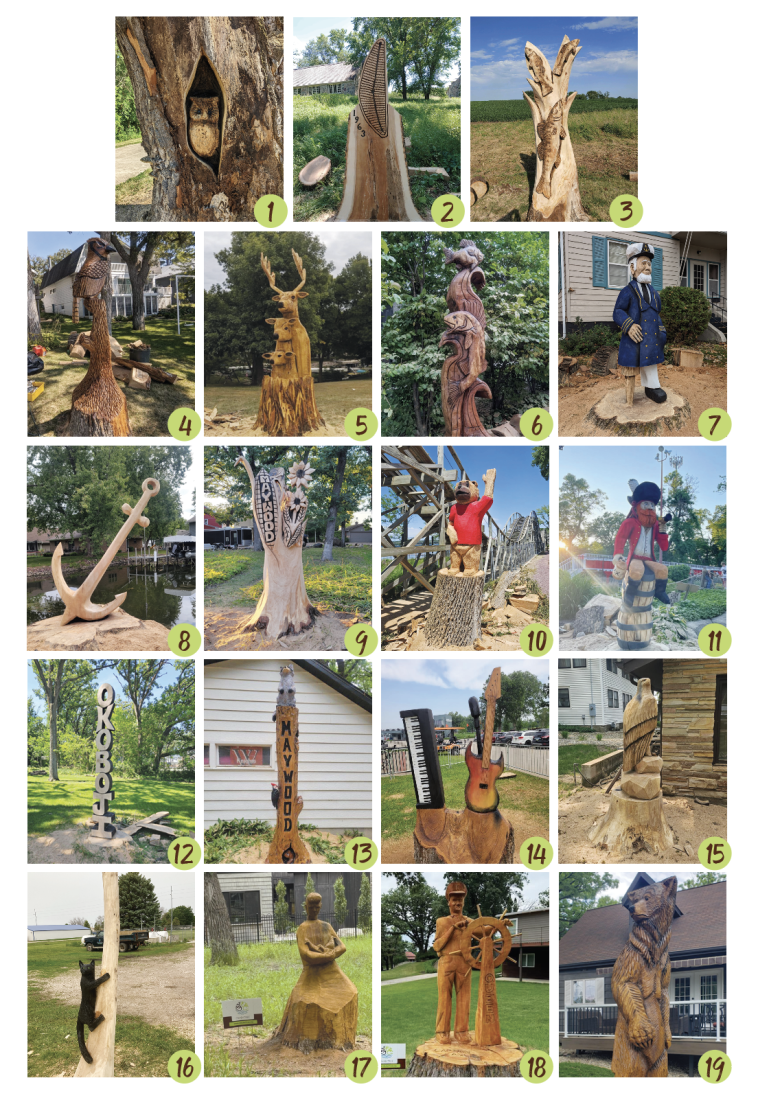
In our rapidly evolving world, environmental challenges and creative solutions often intermingle in surprising ways. One such initiative is Okobotree, a project that turns storm-damaged or diseased trees around the Iowa Great Lakes into stunning sculptures. This editorial takes a closer look at how this endeavor is not only rejuvenating local landscapes but also knitting together a community spirit by breathing new life into what once was thought to be lost.
Okobotree was launched in 2022 with a clear mission: to extend the lifespan of trees by giving discarded wood a new creative purpose. In doing so, the project transforms what many might consider nature’s remains into symbolic representations of resilience and rebirth.
Eco-Friendly Community Art Projects in Iowa: An Innovative Approach to Sustainability
The concept behind Okobotree is both environmentally friendly and artistically daring. Homeowners and local businesses, when faced with the aftermath of a storm or disease, now have an opportunity to collaborate with skilled sculptors who repurpose damaged trees into unique pieces of art. This innovative method of creating community art not only preserves tree material but also highlights the interaction between nature and creative expression.
Industry experts, environmental enthusiasts, and art lovers alike have embraced the project. Instead of discarding a once-majestic tree, there is now the possibility to turn it into a landmark that reflects the spirit and resilience of both nature and its inhabitants.
Sustainable Sculpture Techniques for Reclaimed Trees
At the heart of Okobotree lies a well-thought-out process that combines scientific evaluation, artistic talents, and community engagement. Homeowners contact the Okobotree team when a tree has suffered storm damage or disease, and then an arborist – a tree specialist – is called in to assess if the tree has enough life left for artistic carving. The evaluation tackles the tricky parts of ensuring that the tree is stable enough while preserving its natural features.
Once approved, property owners have the freedom to choose from a selection of talented local artists. They can collaborate on design decisions, ensuring that the final sculpture not only beautifies their property but also tells a story. This hands-on involvement helps demystify the process and makes the transformation both a personal and communal experience.
Key Steps in the Okobotree Process
- Contact and Initial Consultation – Homeowners reach out when their tree is rendered unusable by nature.
- Professional Arborist Evaluation – Expert Craig Wilson, along with the team, assesses the tree for its potential to be transformed.
- Artist Selection and Design – Homeowners choose from a curated list of artists, facilitating a collaboration that merges personal taste with artistic flair.
- Artwork Creation and Cleanup – The team coordinates the entire process, from carving to cleanup, ensuring a smooth experience for the property owner.
- Maintenance and Preservation – Regular maintenance is carried out by the Okobotree team, as they return every two to three years to seal and care for the sculpture.
This systematic approach highlights how combining science with art can yield spectacular outcomes. It’s a perfect example of how wood, even when seemingly lifeless, can morph into a vibrant conversation piece that resonates with history, community, and environmental sustainability.
Local Economic and Cultural Rebirth through Artistic Reclamation
Okobotree is much more than an art project; it is a rejuvenation of local heritage and identity. In communities where trees hold sentimental value and symbolize the beauty of nature, the transformation of these trees into sculptures adds a cultural layer that goes beyond the visual appeal. The newly carved trees serve as landmarks – markers that tell tales of resilience and creative recovery.
A significant aspect of this initiative is its economic impact. By engaging local artists and involving communities in these reclamation projects, Okobotree creates job opportunities and supports local businesses, nurturing a vibrant local art scene that is both sustainable and innovative. Moreover, as more people travel to see these unique pieces, they contribute to the local tourism industry, putting Iowa’s Great Lakes region on the map as a hub for eco-friendly art.
Boosting Local Tourism through Unique Art Installations
Tourists today are always on the lookout for offbeat attractions that blend nature with culture. The Okobotree project is a prime example. Instead of traditional sightseeing, visitors can now engage with art that carries deep local significance. Each sculpture stands as a physical narrative, inviting onlookers to dive in and explore the stories behind their creation.
Local guides have noted that visitors often appreciate the intimate connection between the art and the surrounding environment. The existence of a publicly accessible map, for example, allows tourists to chart a path through the area, discovering each tree sculpture at their leisure. This organized approach not only enhances the visitor experience but also educates people about the region’s rich natural history and the delicate balance between progress and preservation.
The Role of Detailed Mapping in Enhancing the Visitor Experience
| Feature | Benefit |
|---|---|
| Interactive Map | Allows visitors to locate each sculpture with ease. |
| Story Highlights | Offers background stories behind each tree piece. |
| Maintenance Schedule | Ensures the sculptures are well maintained, supporting long-term engagement. |
| Local Business Integration | Enhances community ties by linking each sculpture to nearby businesses and attractions. |
The inclusion of such a map not only directs foot traffic to art installations but also exemplifies how digital innovations can enhance the storytelling aspect of community projects. It’s a critical tool in ensuring that the initiative remains accessible, engaging, and educational.
Artistic Perspectives: The Emotional and Social Impact of Tree Sculptures
Art has the unique ability to evoke emotions, connect people from diverse backgrounds, and serve as a medium for expressing collective memory. Okobotree, by transforming trees that have been struck by nature’s unpredictable forces, invites viewers to reconsider the beauty in what might otherwise be dismissed as ruined. The sculptures are a testament to the idea that even when nature deals us a harsh blow, beauty can emerge from the chaos.
Local sculptor Clint Henik, for instance, emphasizes that every tree sculpture carries its own narrative. As he passionately carves, he recounts the memories and experiences of the tree’s previous life. “Every single tree has a story behind it,” he explains. “It’s been fantastic to be part of this journey, where I get to hear unique tales and create a piece that truly represents the owner’s story.”
Projects like these remind us that there are no rigid boundaries between art and nature – only intricate, delicate details waiting to be discovered. They push us to take a closer look at the fine points of everyday objects, encouraging us to see beyond the obvious and appreciate the sophisticated interplay between raw nature and human creativity.
Exploring Personal Narratives Embedded in Nature
One of the most appealing aspects of these tree sculptures is how they allow personal narratives to shine. In a world where many feel overwhelmed by the speed of change and the confusing bits of modern life, the opportunity to reconnect with nature through art is both comforting and invigorating.
For homeowners who have chosen to preserve a damaged tree by turning it into an artwork, the process is a deeply personal journey. It isn’t just about saving a tree but preserving memories linked to that tree—a symbol of endurance amid life’s many twists and turns.
This personal connection is a key reason why art can so effectively reinforce community bonds. When each piece of detached wood is transformed into something truly unique, it resonates on an emotional level, much like a handwritten letter amidst an era dominated by digital communication.
Community Collaboration: A Marriage of Science, Art, and Local Passion
The success of the Okobotree initiative is intimately tied to its collaborative spirit. The venture seamlessly merges the expertise of an arborist, the creative vision of local artists, and the insights of homeowners. Working through the process requires overcoming several challenging pieces – from ensuring that the tree is viable for carving to coordinating community efforts for follow-up maintenance.
Collaboration in this context means that no single individual is forced to face the overwhelming tasks alone. Instead, the project showcases how different talents can combine to achieve a magnificent outcome. It’s a model for community-building where every participant, whether an artist, an arborist, or a homeowner, plays an essential role.
Strategies for Successful Community-Driven Projects
- Open Communication: Clear and consistent dialogue between all parties ensures that everyone is on the same page, preventing any tangled issues during the process.
- Expert Evaluation: Relying on arborists to assess tree health minimizes risky situations and fosters confidence in the project’s longevity.
- Collaborative Creativity: Allowing homeowners to choose artists and discuss designs encourages personal investment, making the outcome even more meaningful.
- Scheduled Maintenance: Regular check-ups contribute to the preservation of the artwork, extending its lifespan and relevance in the community.
The symbiotic nature of such projects is a nurturing reminder that community success is rarely accidental. It emerges from the deliberate efforts of different stakeholders working together to manage your way through complications and celebrate each small victory.
Overcoming the Intimidating Shortcomings and Celebrating New Beginnings
Despite its many benefits, no innovative project is without its nerve-racking challenges. The idea of turning a once cherished, living tree into a static piece of art might initially seem intimidating. Questions arise: Can a damaged tree really tell a story? Does an altered landscape lose its natural charm? These concerns, while valid, have been met head-on by the Okobotree team.
In addressing such tricky parts, contributors to the project emphasize the importance of looking beyond superficial impressions. The conversion of fallen or wounded trees into artistic masterpieces is full of problems that are not insurmountable – they merely require fresh perspectives and the willingness to take a closer look at life’s hidden complexities.
Tackling the Confusing Bits of Environmental Reclamation
The concept might seem overwhelming at first, but when one starts to poke around the details, the underlying beauty of Okobotree becomes undeniable. The initiative has turned what could have been a sad reminder of nature’s fragile state into a rallying point for community pride and environmental education. Instead of discarding what nature has rendered unusable, county residents are finding innovative ways to celebrate the remnants.
Several community members have observed that these transformative projects help steer through the complicated pieces of managing nature’s aftermath. Instead of allowing damaged trees to become mere clutter, they are given a second chance to shine. Each tree sculpture becomes a beacon of hope—an emblem of renewal that encourages others to be resourceful when faced with adversity.
The Subtle Details and Fine Shades of Community Art’s Long-Lasting Impact
While the visual appeal of a tree sculpture is immediate, its true influence lies in the subtle details that unfold over time. Regular maintenance and community storytelling build an ecosystem of shared responsibility and pride, ensuring that each piece remains an enduring symbol of local history.
Every two to three years, the Okobotree team visits to seal the sculptures and confirm that they remain in excellent condition. With each visit, they cement the bond between the artwork and the community, weaving a narrative that blends memory, artistic expression, and environmental stewardship.
Long-Term Benefits for Both Art and Environment
- Preserving Natural Memory: Transforming trees into art helps maintain a visual record of nature’s milestones, whether joyous or challenging.
- Sustainable Urban Renewal: In areas prone to severe weather, this method of reclamation encourages a sustainable approach to urban development.
- Community Education: Public installations serve not only as aesthetic marvels but also as educational tools highlighting ecology and history.
- Boosting Local Morale: The conversion of a damaged tree into art can serve as a metaphor for personal renewal and collective recovery.
In many ways, this initiative represents a clever way of transforming negative events into positive outcomes – a lesson for all communities confronting the unexpected turns of nature and circumstance.
Perspectives from the Field: Voices of the Community
The Okobotree project has become a topic of local conversation and has sparked various opinions across the community. Many homeowners express excitement when they see that a weathered tree can be given a second chance to tell a story. Speaking to those involved in the project, it’s clear that every participant has a deep-rooted connection to the land and its history.
Local artist Clint Henik, one of the leading sculptors involved with Okobotree, summed up the sentiment best: “The stories and memories embedded in each tree are incredibly moving. Every carving is a collaboration between nature’s legacy and human creativity, and that partnership is simply inspiring.” His perspective is echoed by many who feel that the process of creating tree art not only heals the natural environment but also the community spirit.
Understanding Local Sentiments Through Personal Narratives
Residents who have participated in the Okobotree experience often share anecdotes that highlight the positive transformation in their lives. Many have noted that the project helps mend the emotional scars left by the loss of a family tree or a historic landmark. Instead of grieving the tree’s demise, there is now a collective celebration of its life, redefined through art.
The project’s ability to unite diverse community voices is one of its greatest strengths. It teaches us that when we are faced with the nerve-racking task of reimagining what has been lost, there is always a way to find beauty amid adversity.
Future Prospects: A Vision of Continued Collaboration and Growth
Looking ahead, the growing success of Okobotree opens up exciting prospects for the future. With plans to expand the program to include more sculptures, there is hopeful anticipation that the number of tree sculptures will reach 45 by 2027 or 2028. This expansion is not just a numerical goal; it represents the scaling up of community involvement, artistic creativity, and ecological solutions.
The forward-thinking mindset behind this project encourages the idea that every challenging twist and turn in nature’s journey can lead to the birth of something extraordinary. The continued maintenance of sculptures and the careful planning of future installations underscore the commitment to sustainability and that delicate balance between preserving history and celebrating the new.
Charting New Territories: Strategic Goals for Environmental Art
As with any ambitious project, there are several strategic priorities set for the near future. These include:
- Expanding Community Outreach: Educating more local groups about the possibilities that repurposed art brings to a community.
- Strengthening Artist Collaborations: Enhancing partnerships with skilled sculptors and local artisans to boost creative output.
- Incorporating Advanced Maintenance Techniques: Implementing new eco-friendly solutions to preserve and protect the sculptures over the long term.
- Fostering Regional Tourism: Developing integrated visitor guides and digital mapping to direct more tourists to these art installations.
Each of these goals reflects the project’s super important role in not only transforming physical landscapes but also in redefining how we approach environmental challenges through a creative community lens.
Reflection: The Hidden Complexities and Creative Rewards of Reclaiming Nature
Ultimately, the Okobotree initiative serves as a poignant example of how innovative thinking, when coupled with community passion, can convert what might seem like waste into wonder. It challenges conventional ideas of what to do with nature’s remnants. Rather than allowing damaged trees to become burdens on the landscape, they are reimagined as beacons of hope—each with its own tale of struggle, adaptation, and artistic rebirth.
The project encourages us to reconsider the confusing bits of environmental neglect and see them instead as opportunities for creative revival. The process of evaluating a tree, choosing the right artist, and maintaining the finished work may seem full of problems at first glance. However, with thoughtful collaboration and community support, these challenges slowly evolve into celebrated aspects of a revitalized local tradition.
Embracing the Interplay Between Nature and Art
The intersection of environmental conservation and artistic expression is rich with subtle details and little twists that continually push us to get into the nitty-gritty of what it means to be a part of a living community. Each tree sculpture stands as a reminder that in every intimidating obstacle, and even in the face of overwhelming challenges, there is room for thanks, beauty, and the kind of creative renewal that only nature can inspire.
By taking a closer look at a damaged tree, our eyes are opened not only to its past glory but also to its future potential. In doing so, we are invited to find our way forward in unexpected directions—directions that are as imaginative as they are meaningful.
Final Thoughts: A Call for Creativity in Community and Environmental Stewardship
The Okobotree project, with its deep roots in the Iowa Great Lakes region, invites us all to reconsider our relationship with nature and art. It shows us that the lives of trees do not end when they are cut down by storms or disease; instead, they can be reborn into creations that inspire pride, remembrance, and ongoing conversation.
For homeowners, community leaders, and visitors alike, the project is a living, breathing example of how creativity can transform seemingly lost opportunities into lasting legacies. It teaches that every complicated piece—no matter how tangled or intimidating—carries the potential for reinvention and rebirth.
As we traverse the landscape of art and nature, we are encouraged to steer through the challenging bits with open minds and collaborative hearts. With every carved tree, a chapter is written that describes not only a fight against decay and neglect but also an embrace of renewal and beauty.
The future holds promise for furthering this creative movement. As more trees are transformed into public art, the community’s culture will continue to evolve, enriched by stories of hardship, healing, and the power of creative expression. In celebrating this innovative blend of environmental stewardship and artistic passion, we are reminded to continuously seek out the hidden possibilities nestled within nature’s most challenging moments.
A Call for Community Involvement
In closing, projects like Okobotree remind us that each one of us can contribute to reviving our shared spaces in creative ways. Here are some ways to get involved or support similar initiatives:
- Attend Local Workshops: Community art workshops often provide insights into creative recycling and can spark new ideas for environmental projects.
- Support Local Artists: Purchase or commission art pieces from local talents who work on eco-friendly projects.
- Volunteer: Get involved with community clean-up days that focus on repurposing natural materials.
- Share Stories: Engage in local forums or social media groups to exchange ideas and experiences regarding sustainable art initiatives.
By embracing these opportunities, each community member can help build a legacy that honors both our natural heritage and our unyielding creative spirit. The transformation of storm-damaged trees into striking art is a testament to the idea that with collaboration, even the most intimidating obstacles can lead to wonderful, unexpected outcomes.
In a world where challenges often seem overwhelming, let this initiative be a powerful reminder of how art can heal, inspire, and unite. The journey from a damaged tree to a celebrated sculpture is a story of resilience—a story that invites us all to get into the fine points of our own passions and, perhaps, carve out our own unique paths to renewal.
Looking Ahead: A Future Built on Resilience, Creativity, and Community Spirit
As the Okobotree program continues to grow, its guiding philosophy remains constant: every element of nature has a story worth telling. Each sculpture is proof that by working together, finding your way through tricky parts, and embracing every little twist, the unexpected can transform into the extraordinary.
Whether you’re a resident of the Iowa Great Lakes region or a visitor attracted by the promise of distinctive community art, consider taking the time to witness these living legacies. They are more than just pieces of carved wood—they are symbols of the creative potential that exists when we choose to see the beauty in the remnants of life.
In embracing this philosophy, we not only safeguard our natural surroundings but also build bridges between our past, present, and future. Through the infusion of art, history, and environmental care, we create a legacy that will serve as an inspiration for generations to come.
Ultimately, the message is clear: in every piece of nature that seems lost or broken, there lies the possibility for new beginnings, if only we have the courage to look beyond the intimidating surface and explore the hidden complexities that lie beneath.
So next time you pass by a weathered tree or notice a unique sculpture standing proudly in your community, remember the profound journey that transformed a symbol of decay into a beacon of hope and renewal. Let it serve as a reminder that, by coming together, we can create beauty even in the most unexpected places.
Originally Post From https://www.kcau9.com/news/local-news/iowa-great-lakes-bureau/okobotree-brings-new-life-to-trees-in-the-iowa-great-lakes/
Read more about this topic at
A Creative Rebirth
Nature’s beauty in a fallen tree’s rebirth