Unleashing Nature’s Fury: A Closer Look at Lake Michigan’s Winter Turbulence
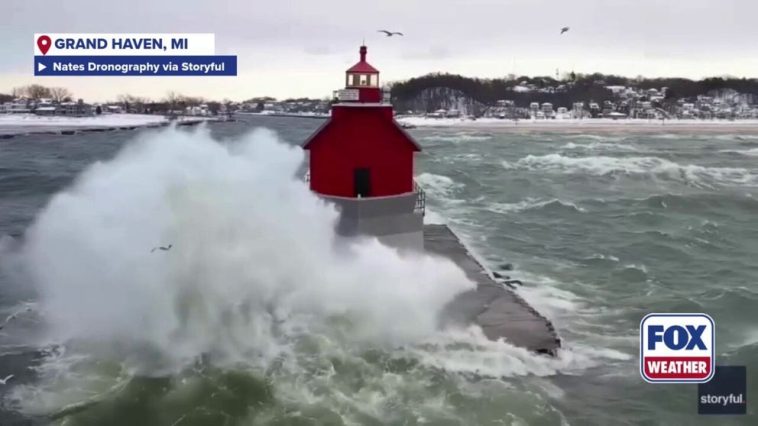
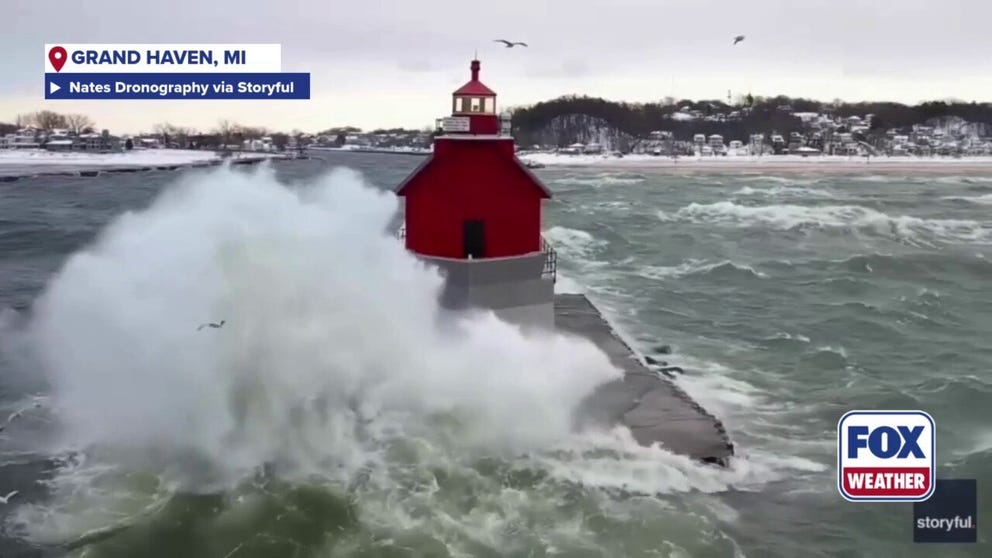
In recent days, aerial footage captured by a drone has revealed a dramatic scene along the eastern shore of Lake Michigan. Massive waves, driven by fierce winds and a cold front, have violently crashed against an iconic lighthouse – a sight that both awes and warns those who love the great outdoors. In this opinion editorial, we take a closer look at these natural events, unpacking the fine details of the weather phenomenon while providing context and safety tips for those visiting Michigan’s rugged shoreline this winter.
Understanding the Tumultuous Weather of Lake Michigan
Lake Michigan is well-known for its unpredictable weather, especially during the colder months. The recent incident, with towering waves battering a historic lighthouse, is a perfect example of how nature can serve up both beauty and peril simultaneously. Observers might find it hard to look away from such a dramatic display; yet, the dangerous conditions highlight a number of tricky parts associated with severe weather on the Great Lakes.
At its core, Lake Michigan’s winter weather phenomena are not only mesmerizing but also nerve-racking for coastal residents and visitors alike. The collision between frigid air and the massive body of water creates an environment ripe for large, forceful waves – a reminder of nature’s powerful presence. In this editorial, we dive in to explore what these conditions teach us about preparing for and appreciating the wild beauty of our natural surroundings.
Lake Michigan Winter Storms: The Hidden Complexities Behind the Waves
The sight of enormous waves smashing against a lighthouse during a winter storm encapsulates many of the little twists of weather patterns that locals have come to respect and fear in equal measure. Behind every crashing wave lies a series of fine points and subtle parts that contribute to the overall dynamics of the storm.
Consider the following factors that work together when such a storm is brewing along Lake Michigan:
- Temperature Contrast: The dramatic difference between the cold air mass and the relatively warmer lake surface leads to increased instability.
- Wind Patterns: High-speed winds not only drive the waves but also affect their size and frequency.
- Water Depth and Shoreline Shape: Variations in the underwater topography can funnel and amplify wave energy as it approaches the shore.
- Seasonal Shifts: Winter brings its own set of hidden complexities, including ice formation and unpredictable fluctuations in atmospheric pressure.
This tangled array of influences means that forecasting and preparing for such events involves figuring a path through many complicated pieces that scientists and local officials have to work through every year.
Drone Technology: Capturing the Unstoppable Force of Nature
One of the remarkable aspects of the recent event is the use of drone technology to record the scene. These aerial recordings provide viewers with a bird’s eye view of nature’s power and the intimidating conditions that can occur along the Lake Michigan coastline.
Modern drone technology has evolved to become an essential tool in documenting weather events that are both aesthetically captivating and full of problems for on-ground reporters. Here’s what makes drone footage so critical:
- Unique Perspectives: Drones can capture vast landscapes that otherwise might be hidden from ground-level observation, revealing the subtle details of how waves interact with structures like lighthouses.
- Safety: In conditions that are off-putting and full of tension, drones can safely record events from a distance without exposing pilots or crews to hazardous environments.
- Real-Time Analysis: Live feeds and rapid deployment of drones enable immediate assessments of dangerous weather, which can help local authorities improve safety measures.
- Documentation for Research: Recording these intense moments helps meteorologists and climatologists better understand the little twists of weather behavior during storm events.
By diving in through aerial views, we can appreciate the intricate balance between nature’s beauty and its capacity for destruction, all while reinforcing the point that safety should always come first when exploring such extreme settings.
Safety First: Tips for Enjoying Coastal Winters Responsibly
While the natural spectacle along Lake Michigan is undeniably impressive, it comes with several safety warnings that every visitor should heed. When powerful waves and high winds are in play, proximity to the water becomes a serious risk. The fine points of storm safety in places like these are critical for anyone planning to venture near the shoreline.
Here are some essential tips to bear in mind:
- Keep a Safe Distance: Do not approach the water’s edge during extreme weather events. As enticing as it might be to get a closer look, the unpredictable force of the waves can quickly overwhelm even seasoned observers.
- Layer Your Clothing: With temperatures often dropping well below average during a cold front, dressing in layers can help prevent hypothermia in case you get unexpectedly wet or exposed.
- Stay Informed: Regularly check local weather updates and heed advice from officials. Many state websites offer warnings about dangerous conditions, helping you make informed decisions.
- Plan Your Visit Wisely: If you’re visiting for the scenic experience, try to schedule your trip during milder weather windows. Winter conditions, while dramatic, are often loaded with issues that can turn a simple outing into a nerve-racking ordeal.
- Use Technology Wisely: Leverage weather apps and drone footage for real-time conditions rather than relying solely on past reports. This data will help you figure a path through the planning process before you set out.
By following these safety measures, enthusiasts and adventure-seekers can enjoy the raw beauty of Lake Michigan’s wintery displays without compromising their well-being.
Weather Phenomena and Community Resilience
Across Michigan, coastal residents are no strangers to bitter wind and relentless weather. The dramatic scene captured on video is a reminder of the close connection between local communities and the natural elements that shape their daily lives. For many, the lake is not only a tourist attraction but also an integral part of the local identity.
The tension between human life and nature’s overwhelming forces is a subject that touches on multiple fine points. Communities along Lake Michigan have become adept at managing the tricky parts of severe winter storms while continually evolving their emergency preparedness strategies. Their collective experience underscores a broader message: when living amid extreme elements, preparedness, response, and mutual support are super important.
Local initiatives are often put into place to help residents and visitors get around severe weather conditions more safely. These include:
- Community Alerts: Local governments use radio, social media, and dedicated apps to keep residents and tourists updated on rapidly changing weather conditions.
- Safety Drills: In many coastal towns, annual drills help ensure that both locals and emergency services know how to react when the weather turns off-putting.
- Public Access to Real-Time Information: Websites and mobile applications provide detailed information about current conditions, helping individuals better steer through dangerous situations near the shore.
These coordinated efforts, though they might seem like minor steps, play a key role in safeguarding the community during periods of intense weather. By learning from past experiences and continuously improving their response strategies, local residents are a stellar example of resilience in the face of nature’s relentless power.
Community Stories: Personal Encounters with Lake Michigan’s Wild Side
Every storm has its own story, and behind the impressive visuals of crashing waves lie countless personal accounts of bravery, caution, and awe. Residents around the eastern shore of Lake Michigan recount experiences that mix admiration with a realistic understanding of the dangers posed by extreme weather.
Here are a few real-life insights that encapsulate the community’s relationship with these winter tumultuous events:
- Veteran Lifeguards’ Caution: Many local lifeguards have seen their share of dramatic incidents. Their stories often highlight how quickly weather conditions can change, emphasizing that even the most breathtaking scenes can hide intimidating risks.
- Seasoned Fishermen’s Tales: Fishermen who have weathered many winters acknowledge that the lake can be both a giver and taker. Their timely decisions and layered clothing have helped them avoid trouble despite the unpredictable twists of weather.
- Local Historians’ Reflections: Some long-time residents describe the lighthouse itself as more than a historical landmark – it’s a beacon of community resilience. The structure, repeatedly tested by the waves, symbolizes the enduring spirit of the local populace who have learned to adapt to nature’s wild moods over generations.
These personal narratives are a testament to the strength of community bonds in the face of nature’s overwhelming displays. In sharing these stories, we can appreciate not just the spectacle of a storm, but also the human capacity to face, understand, and ultimately respect the natural world.
Climate Patterns: What the Winter Storms Tell Us About a Changing World
While each winter storm presents its own set of intimidating challenges, the broader climate context provides a backdrop filled with subtle details and small distinctions. Meteorologists and environmental experts continue to monitor the ongoing shifts in weather patterns across the Great Lakes region, noting that the twists and turns of seasonal transitions are becoming ever more unpredictable.
From the drone video capturing colossal waves to the numerous reports of frigid conditions across North America, we can discern several key points about these events:
| Factor | Observations | Implications |
|---|---|---|
| Temperature Extremes | Record low temperatures in many regions | Increased risk of hypothermia; changes in local ecosystems |
| Wind Speeds | High winds contributing to strong wave formation | Potential for property damage and dangerous coastal conditions |
| Changing Lake Levels | Fluctuations influenced by warmer summers and colder winters | Impact on erosion rates and shoreline stability |
| Climatic Variability | Increased unpredictability in storm patterns | Challenges for forecasting and community preparedness |
This table highlights some of the critical issues that come into play when trying to understand the broader picture. The fine points of climate science, along with the evidence gathered from these dramatic events, indicate that our weather systems are experiencing notable shifts. Not only does this affect how we experience nature’s displays, but it also underscores the necessity for updated and dynamic safety practices.
Balancing Awe and Caution: A Personal Reflection
As an enthusiast of both travel and outdoor recreation, I have always sought to immerse myself in nature’s most exciting displays. The scene of tremendous waves crashing against a venerable lighthouse is, without a doubt, one of those moments that reminds us why we are drawn to the wild. However, every time nature puts on such a show, I am compelled to remember that we are all visitors in its realm.
There is an undeniable attraction to the dramatic interplay between the power of wind, water, and cold air. Yet, this same interaction presents many tricky parts that require us to be both awed and respectful. The experience becomes even more overwhelming when we consider the following aspects:
- The Temporary Beauty: The allure of a storm is fleeting. Just as quickly as nature can dazzle, it can also turn hazardous.
- Unpredictable Behavior: No amount of planning can completely steer you clear from nature’s sudden shifts – a reminder of the need for constant vigilance.
- Personal Accountability: As travelers and outdoor enthusiasts, taking precautions is key. Respecting the environment means understanding the hidden complexities that come with any outdoor adventure during winter weather.
This balance of awe and caution is something I have learned to appreciate over time. Each encounter with rugged elements drives home the reality that nature, while magnificent, is not to be underestimated. The insights drawn from such encounters help us get into a mindset of preparedness that is essential for safely enjoying the natural beauty around us.
Embracing the Energy of the Elements While Prioritizing Safety
The recent footage of crashing waves serves as a potent reminder that raw nature is full of surprises and challenges. Whether you are an avid photographer keen to capture the perfect shot, a traveler hunting for the thrill of the great outdoors, or a local resident accustomed to the unpredictable conditions of Michigan’s coast, safety remains a non-negotiable priority.
Here are some practical recommendations to keep in mind when planning your outdoor excursions near Lake Michigan during the winter:
- Stay Connected: Always inform someone of your destination and expected return time when venturing into areas with severe weather.
- Invest in Weather Gear: Items such as waterproof clothing, insulated boots, and emergency blankets are key when battling cool, wet conditions.
- Monitor Weather Apps: Utilize reliable weather apps and local reports to receive updates, ensuring that you have the most current information before setting out.
- Respect Warning Signs: Many coastal areas will have clearly posted signs advising of dangerous conditions, and it’s crucial that these are followed without question.
- Travel with a Group: There is safety in numbers. Group outings can ensure that someone is always on hand in case of unexpected weather fluctuations.
Although it might seem that the lure of nature’s stormy spectacles is irresistible, the hidden tensions in every gust of wind and every towering wave are reminders that caution must always guide our actions. Embracing the energy of the elements means not only celebrating the spectacle but also taking responsible steps to shield ourselves from unforeseen dangers.
Looking Ahead: Adapting to an Ever-Changing Climate
The dramatic scenes unfolding along Lake Michigan this winter are a call for both admiration and proactive adaptation. As climate patterns continue to shift and the weather grows increasingly unpredictable, there is a super important conversation to be had about adapting our outdoor pursuits to the realities of a changing environment.
Planning future trips and outdoor adventures means getting into a dialogue about:
- Infrastructure Adaptation: How can local municipalities improve coastal defenses and build safer public access areas?
- Enhanced Forecasting: What new technologies or methodologies can be adopted to better predict wave behaviors and wind patterns?
- Community Engagement: How can residents and visitors alike become more informed and prepared through shared educational resources and collaboration?
- Environmental Conservation: In what ways can we balance tourism and outdoor recreation with efforts to preserve and protect these naturally dynamic environments?
Working through these questions, scientists, engineers, local governments, and community organizations are all trying to figure a path that not only preserves the wild beauty of places like Lake Michigan but also ensures that the inherent risks are minimized for everyone involved. With every winter storm and every dramatic scene captured on a drone, there is an opportunity to learn, adapt, and set a safer course for future generations.
Innovative Solutions and Forward-Thinking Strategies
One promising area of advancement has been the integration of innovative technologies with time-honored community practices. As the forces at work during a winter storm are both intricate and unpredictable, leveraging new methods for forecasting and real-time monitoring is a move in the right direction.
Some forward-thinking strategies include:
- Enhanced Drone Surveillance: Expanded use of drone technology, with advanced sensors and live data analytics, allows for a quicker response in imminent danger zones. This technology helps local authorities to get around warnings and make timely decisions.
- Integrated Weather Networks: The collaboration between different meteorological services, emergency management teams, and community groups helps ensure that data is shared quickly and efficiently.
- Resilient Infrastructure Projects: Ongoing efforts to reinforce coastal infrastructure aim to reduce the impact of severe weather on both buildings and natural landscapes. These improvements, though sometimes intimidating in scope, are essential for long-term safety.
- Public Education Programs: Regular workshops and online seminars keep the community informed about the small distinctions between a scenic storm and a dangerous one, ensuring that the public can make wise, informed decisions about when and how to enjoy the area.
Each of these strategies is part of a broader conversation about living in harmony with our environment while respecting its immense power. These measures are not about trying to control nature, but rather about learning from its little twists and planning ahead to ensure that we can continue to appreciate its raw beauty without falling prey to its unpredictability.
Conclusion: Respecting Nature’s Dual Character
Lake Michigan’s towering waves and powerful winds remind us that nature always wears two faces. On one side, we have a mesmerizing display of beauty that captivates our senses and invites us to explore the outdoors. On the other side, the same untamed force of nature presents us with challenges laden with issues – challenges that serve as important lessons in preparedness, resilience, and respect.
From the latest drone footage capturing the incredible impacts on a historic lighthouse to the countless personal testimonials of those who know these waters well, every account shares one underlying message: whether you’re a seasoned local or a first-time visitor, it is super important to approach the wild with a mixture of admiration and caution.
In charting our paths through this delicate balance, we learn that every gust of wind and each crashing wave carries fine points that cannot be ignored. The dramatic winter scenes at Lake Michigan are not just fleeting moments to be admired from afar; they are also reminders of the nerve-racking environment we live in and the critical need to continuously adapt to nature’s relentless power.
As we take a closer look at these events and the community’s response, let us remember that every expedition into the wild demands both respect for the natural order and a commitment to personal safety. By staying informed, embracing innovative technologies like drone surveillance, and following local guidelines, we can ensure that our adventures remain as safe as they are unforgettable.
This winter, as you plan your next outdoor escapade along the Great Lakes, I encourage you to figure out your own way to appreciate the deep interplay between human resilience and nature’s overwhelming force. Embrace the beauty, plan for the challenges, and most of all, remain ever mindful that in nature’s grand theater, safety and respect are the ultimate keys to a rewarding adventure.
Originally Post From https://www.foxweather.com/extreme-weather/watch-large-waves-violently-crash-along-lake-michigan-coast
Read more about this topic at
Watch aerial video of large waves crashing at Lake …
Violent Fall Storm on Lake Superior (4K)