
Collaborative Conservation Efforts and Their Impact on the Great Salt Lake
The Great Salt Lake is not just a vast body of water—it represents a critical nexus of wildlife habitat, agricultural opportunity, and environmental sustainability. In recent years, a unique partnership among conservation organizations, local farmers, and governmental agencies has emerged, aiming to secure water and preserve the health of the lake. This opinion editorial examines how collaborative efforts, innovative water management, and the ingenuity of local stakeholders are making a real difference in safeguarding this natural wonder.
As we take a closer look at these actions, it is clear that preserving the Great Salt Lake involves more than just environmental goodwill. It is an issue that intersects with agricultural livelihoods, local traditions, and the natural rhythm of our ecosystem. The partnership between the National Audubon Society, The Nature Conservancy, Summit Land Conservancy, and the historic Huntsville Abbey Farm stands as a prime example of how creative ideas can transform potential obstacles into opportunities for progress.
Sustainable Farming and Water Reallocation: A Win for the Environment
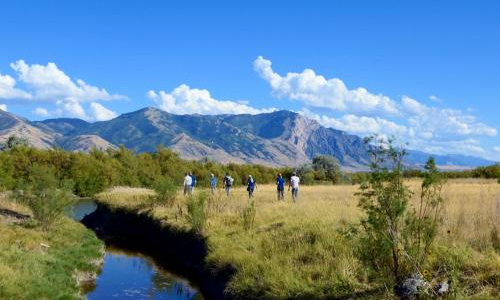
One of the most inspiring aspects of this effort is the transformation occurring on the historic Huntsville Abbey Farm in Utah. Once the home of a Trappist Cistercian monastery and now a thriving agricultural operation under the stewardship of Bill White, the farm has embraced innovative techniques to maintain production while saving water. By shifting from traditional practices to dry farming techniques, this operation now uses saved water more efficiently.
This innovative approach has several key benefits:
- Reduced water consumption without sacrificing crop yield
- Preservation of farmland for long-term agricultural use
- Creation of a surplus water resource that can be redirected to the precious Great Salt Lake
- Setting a positive example for other farms facing similar water challenges
While these changes might seem like small tweaks, they represent a profound shift in the conversation about water usage in agriculture. Instead of viewing conservation as a loss of productivity, stakeholders are reconfiguring their operations to produce both food and environmental benefits. This dual approach is not only sustainable but also a realistic way to address the tricky parts of water scarcity and habitat preservation.
Innovative Water Conservation Projects: Fine Points and Hidden Complexities
The water-saving initiative at Huntsville Abbey Farm is just one part of a much larger puzzle. The joint efforts of the Great Salt Lake Watershed Enhancement Trust and its partners reflect how modern water management can work in harmony with nature. With a plan to lease approximately 635 acre-feet of water per year to the lake, the strategy brings together conservation science, agricultural best practices, and community participation.
Getting into the subtle details, several elements contribute to the project’s overall success:
- Effective Water Leasing: By temporarily reallocating saved water, the system injects much-needed moisture into the lake, helping to stabilize local water levels.
- Monitoring Infrastructure: The Weber Basin Water Conservancy District’s robust monitoring system ensures that every drop is tracked, guaranteeing that water is delivered to key habitats within the lake’s boundaries.
- Regulatory Coordination: Continuous consultation with resource managers and state agencies plays a critical role in ensuring compliance and optimizing the use of available water.
These measures underscore that addressing water management involves not only technical know-how but also a shared commitment to a sustainable future. It is an excellent model for how local initiatives can dovetail with broader environmental goals. While the fine points may seem tangled at first glance, they represent a thoughtful integration of science, government policy, and hands-on conservation efforts.
Challenges and Opportunities in Water Management: Digging into the Twists and Turns
Implementing water conservation initiatives on such a scale is not without its tricky parts. The process of reassigning water, coordinating among multiple agencies, and ensuring that these changes benefit the Great Salt Lake involves several confusing bits that require careful attention. One of the central challenges is balancing the diverse needs of agriculture and wildlife, a task that can often appear intimidating and overwhelming to stakeholders.
Some of the key challenges include:
- Regulatory and Policy Hurdles: Water rights and usage regulations can be loaded with issues, making it nerve-racking to find a path that satisfies all parties.
- Infrastructure Limitations: Establishing an effective monitoring and delivery system for water transfer is a massive task that requires significant investment and technical expertise.
- Community Involvement: Engaging local farmers and residents to support conservation initiatives sometimes demands extra effort, especially when proposed changes may initially seem off-putting to traditional practices.
Despite these challenges, there are many opportunities. For one, local farmers are beginning to see that innovative water management strategies can allow them to maintain profitability while also contributing to environmental restoration. In this way, the agricultural community is not just a bystander in the conversation about water conservation—it’s a key player.
Furthermore, collaborations like these send powerful messages to other regions facing similar issues. They encourage communities to explore creative conservation partnerships that can help secure natural resources while supporting local economies. It is a strategy that could be adopted not only in Utah but in other states where water scarcity is a major concern.
Policy and Partnership: Key Ingredients for Future Success
The tremendous progress witnessed in the Great Salt Lake initiative is underpinned by robust policy frameworks and streamlined partnerships. For example, the permanent conservation easement achieved on part of the Historic Monastery Farm demonstrates how policy tools can secure agricultural land use while simultaneously benefitting the local ecosystem. This synergy between policy and practical action is a model for other conservation projects.
Several policy elements have proved super important in this process:
- Conservation Easements: These legal agreements ensure that land remains dedicated to agricultural use, thereby preventing development pressures that could diminish the natural water catchment.
- Interagency Collaboration: Close coordination between the Utah Divisions of Forestry, Fire and State Lands and Wildlife Resources has created clarification in roles and smoother decision-making processes.
- Community-Based Initiatives: The active involvement of local organizations and individual donors has provided both funding and grassroots advocacy, solidifying the political will needed to push through challenging projects.
When you take a closer look at such partnerships, it becomes evident that the road to success is paved with trust, open communication, and a clear vision. The enthusiasm exhibited by leaders like Bill White, Cheryl Fox, and Spencer Gibbons underscores how local leadership, when combined with smart policy, can create transformative change. The secret is to work through the little details and subtle twists that, once solved, unlock substantial environmental benefits.
The Role of Agriculture in Supporting Wildlife: Overcoming Confusing Bits and Tangled Issues
Agriculture has long been caught in the crosshairs of water management debates. However, the recent collaborative effort at Huntsville Abbey Farm offers a refreshing perspective on how farming and wildlife protection can work hand-in-hand. Instead of framing farmers as part of the problem, this initiative highlights them as integral partners in conservation.
Key observations include:
- Conservation Through Innovation: By adopting dry farming techniques, farmers can reduce water consumption without compromising their yields. This adaptation not only addresses water scarcity but also safeguards wildlife habitats dependent on consistent water inflow.
- Synergistic Benefits: The water that is saved becomes an asset for the ecosystem, providing essential moisture to the Great Salt Lake and the broader watershed. In effect, this approach creates a win-win scenario.
- Economic and Environmental Sustainability: When farmers find their operations are more efficient and resilient, their long-term viability increases. This resilience, in turn, boosts local economies while delivering more resources to sustain natural habitats.
The perspective promoted by such initiatives is a departure from older, more adversarial views between agricultural stakeholders and environmentalists. Instead, it emphasizes that the agricultural community is loaded with potential to enhance environmental preservation and that creative, locally adapted solutions are both possible and necessary.
How Local Initiatives Create a Ripple Effect: A Closer Look at Community Involvement
Community engagement is at the heart of any successful conservation effort. In the case of the Great Salt Lake, local residents, farmers, environmental groups, and government agencies are all contributing to a project that is much larger than any single organization. This grassroots approach breathes life into conservation strategies by ensuring that the people directly affected by water issues have a say in how solutions are implemented.
Here’s how the ripple effect works:
- Local Stewardship: When communities take responsibility for protecting their local water sources, they create a strong network of advocates who support sustainable practices.
- Education and Awareness: Inspecting programs and outreach efforts help residents understand the importance of water in their local ecosystem and inspire further actions that align with conservation goals.
- Broad-Based Support: By inviting stakeholders from all walks of life—from farm owners to urban residents—the initiative garners a wealth of perspectives that shape policy and drive action forward.
This hands-on approach is reminiscent of community art projects and local markets, where each participant plays an important role in the final masterpiece. The cumulative effect of these local efforts strengthens the overall conservation plan and sets a replicable example for other regions.
Comprehensive Efforts in Water Delivery and Monitoring: A Table Overview
To better understand the multi-faceted nature of this conservation initiative, the following table outlines the key players, their roles, and contributions to the project:
| Organization/Group | Role | Key Contributions |
|---|---|---|
| National Audubon Society | Co-leader in water management and conservation |
|
| The Nature Conservancy | Co-leader and strategic planner |
|
| Summit Land Conservancy | Local partner and conservation advocate |
|
| Huntsville Abbey Farm | Agricultural innovator |
|
| Weber Basin Water Conservancy District | Water monitoring and infrastructure provider |
|
| State Agencies (Forestry, Fire and State Lands, Wildlife Resources) | Regulatory partners |
|
This table highlights how every link in the chain is essential to the overall success of water reallocation efforts. By figuring a path together, these groups forge a resilient network dedicated to solving the complicated pieces of water scarcity and environmental degradation.
Future Outlook and Inspiration: Taking the Wheel on Conservation Challenges
Looking ahead, the Great Salt Lake initiative offers more than prospects for environmental restoration—it serves as a beacon of hope and an inspiration for communities everywhere. The project not only keeps water flowing to a fragile ecosystem but also illustrates that sophisticated environmental challenges can be tackled with creativity and cooperation.
As record lows and shifting climatic conditions push many of our water bodies into the off-putting territory of scarcity, projects like these are crucial. They remind us that every contribution—whether from a seasoned environmental organization or a local farmer with a passion for conservation—matters. The idea is to continuously lean into creative partnerships, explore new approaches, and steer through the nerve-racking twists and turns with confidence and dedication.
Annual evaluations and continuous monitoring of water flow and habitat restoration will be key to adjusting strategies and ensuring long-term success. With ongoing investment in both infrastructure and community education, the methods employed here could be replicated across other regions facing similar challenges.
Let’s break down some actionable points for communities and policymakers inspired by this project:
- Invest in Monitoring Infrastructure: Establish or upgrade systems for precise water tracking to guarantee that every drop is used in the best possible way.
- Support Policy Innovations: Advocate for policies that create flexible water management plans, enabling short-term water leasing and long-term habitat sustainability.
- Encourage Local Collaborations: Build networks between farmers, conservation groups, and local governments to share experiences and adopt best practices in water conservation.
- Educate and Engage: Organize community forums and workshops to discuss water challenges and potential solutions, ensuring that public voices are heard and integrated into policy decisions.
These steps not only help in preserving valuable water resources but also foster resilience within local communities. By figuring a way to integrate sustainable practices into everyday operations, the agricultural sector can support both economic growth and environmental health.
Critically, the success of this initiative is proof that we do not need to choose between development and conservation. Instead, we can work through the small distinctions and hidden complexities to create systems that benefit all. The pioneering example set by the involved organizations is a testament to innovative problem-solving and the continuous need for collaboration among all stakeholders.
From a broader perspective, the Great Salt Lake initiative exemplifies how local innovation can create large-scale impact. This success story is a reminder that in the realm of conservation, every community has the potential to contribute to lasting positive change. The integration of agriculture with environmental stewardship transforms a set of challenges into a mosaic of opportunities for future sustainability.
It’s also worth noting that the project’s anticipation of future approval—expected in 2026—offers a roadmap for other regions where water shortages and habitat loss pose serious threats. The broad collaboration among diverse stakeholders is a model for crafting a regional strategy that is both adaptable and scalable.
In closing, the combined efforts to support the Great Salt Lake stand as a symbolic and practical demonstration of what can be achieved when multiple voices come together. It is an initiative full of promise, driven by local leaders, and underpinned by a commitment to redefining how we manage our natural resources for the benefit of both people and wildlife.
Indeed, while the twists and turns of water legislation and resource management can be intimidating, the resolve shown by this network of organizations and individuals is both inspiring and instructive. Their work reminds us that solving the confusing bits of water scarcity—through innovative partnerships, sensible policy adjustments, and unwavering community support—is not only possible but already underway.
Ultimately, if we continue to nurture these broad partnerships and remain open to revising traditional practices, there is every chance that similar initiatives could expand across the nation. By taking the wheel on conservation challenges today, we pave the way for a more sustainable and thriving tomorrow—one in which our vital water sources, the wildlife that depends on them, and the communities that rely on agriculture all benefit.
The Great Salt Lake is more than just a body of water—it is a living laboratory for testing the boundaries of our environmental resilience and a mirror reflecting our dedication to stewardship. As citizens, policymakers, and conservationists, we have the chance to be a part of this unfolding narrative. Let us all support innovative water management strategies, safeguard our local treasures, and work together to secure a future where both nature and modern life flourish in tandem.
Originally Post From https://www.audubon.org/news/preserving-farmland-and-water-help-protect-great-salt-lake
Read more about this topic at
Land, Water, Life: Supporting Communities to Improve …
Land.Water.Life : Majuli’s Symphony of Survival

