
Exploring the World of College Athletics and Recreational Travels
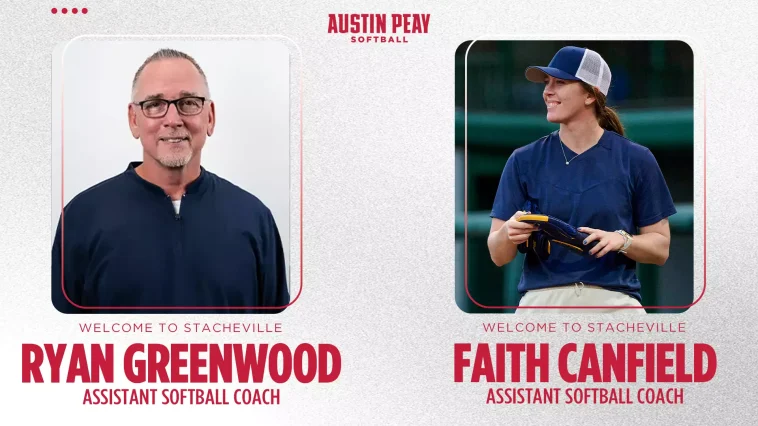
College athletics offers more than just competition on the field—it presents a culturally enriching journey through travel, memorable experiences, and inspiring stories that connect us to communities far and wide. As someone who has spent years exploring various athletic destinations and engaging with the vibrant spirit of collegiate sports, I find it essential to share insights into the many ways athletics intertwine with travel and recreation. This article examines the contributions of remarkable coach Faith Canfield, along with the broader narrative of collegiate sports that extends from bustling game days to serene practice sessions in picturesque venues.
Throughout this opinion editorial, we will reflect on the coaching journey, the tricky parts of athletic transitions, and the subtle details that make college sports such a dynamic experience. By articulating personal observations and incorporating stories from behind the scenes, this piece delves into the fine points of collegiate athletic life and the key role travel plays in shaping athletes’ lives and careers.
Charting a Path Through Collegiate Athletic Destinations
At the heart of college athletics lies a network of interconnected venues, spirited communities, and teams committed to excellence. Athletes, fans, and coaching staff alike are drawn to college sports for the thrill of competition and the appeal of travel. Whether gathering at state-of-the-art arenas or historical fields, every location carries its own set of traditions and challenges.
Many of us have experienced the nerve-racking atmosphere that comes with game day—the rush of anticipation, the subtle details that define a win or loss, and even the overwhelming logistics of traveling to cities with rich sporting histories. For those who take a closer look at collegiate sports, the experience is as much about bonding with teammates and coaches as it is about admiring the unique architectural beauties of sports arenas and facilities.
Traveling to Historic Stadiums and Modern Arenas
College sports venues are a testament to the evolution of athletic facilities. The transition of stadiums from simple playing fields to modern arenas is a journey filled with tricky parts and delightful surprises.
- Historical Charm: Many colleges boast stadiums that have been home to legendary athletes and unforgettable moments. These fields remind us that sports are steeped in tradition and community spirit.
- Modern Marvels: Recently built arenas and state-of-the-art sports complexes offer advanced amenities, making the fan experience more immersive than ever before.
- Recreational Opportunities: Beyond competition, these venues often serve as hubs for local recreation, hosting events, clinics, and community outreach programs.
Every time you take a trip to a college game, you’re not just witnessing a contest of skill—you’re also embarking on a journey through history, innovation, and local culture. These visits inspire travel enthusiasts to explore cities, local eateries, and even nearby natural attractions, blending the thrill of the game with the joy of discovery.
The Personal Journey of a Collegiate Coach: Faith Canfield’s Story
One of the most inspiring figures in this landscape is assistant coach Faith Canfield. Her career trajectory offers insightful lessons on perseverance, dedication, and the rewards of pursuing one’s passion. Canfield’s journey symbolizes the intertwined nature of collegiate athletics and travel—a story that is both motivational and relatable to many who are working through twisted pathways to achieve excellence.
Before joining the coaching staff at Clarksville, Coach Canfield made significant contributions to various programs, demonstrating how a deep love for the game can lead one across different regions and academic institutions. Her transition from a volunteer assistant to a key team member highlights the evolution that many in the sport face, along with the occasional overwhelming hurdles present in competitive environments.
Highlights from Faith Canfield’s Coaching Journey
Faith Canfield’s career is packed with memorable milestones, each representing a unique blend of skill, hard work, and travel experiences. Her career demonstrates that triumphs in athletics are rarely achieved without working through the tangled issues and complicated pieces that come with any competitive sport.
- Early Successes: As a four-year starter and two-year team captain at Michigan, Canfield’s exemplary performance—with batting averages soaring to career-best levels—laid the groundwork for her coaching career.
- Coaching Milestones: Serving first as a volunteer assistant and later as a full-fledged assistant coach in teams across multiple conferences, she has managed your way through the fine points of coaching, leading her teams to several championships.
- Award-Winning Stints: Recognized as part of the NFCA’s Great Lakes Region Coaching Staff of the Year, Canfield’s career has been marked by innovation in strategy and a dedication to mentoring young athletes.
- Cross-Regional Influence: From Northwestern to Belmont and finally to her current role in Clarksville, her career has been a journey not just of professional growth but also of exploring various sports cultures across the country.
These achievements serve as a microcosm of the collegiate athletic journey—a blend of traveling to different academic and athletic hubs, taking a closer look at regional sports cultures, and steering through tactical improvements that sometimes seem as nerve-racking as they are transformational.
The Impact of Athletic Travel on Coaching and Player Development
Travel plays an immensely significant role in shaping both players and coaches. The experiences gained while journeying to away games, tournaments, and clinics offer lessons that no classroom or practice field can provide. When athletes and coaches take the time to explore new regions, they are often exposed to a variety of playing styles, coaching philosophies, and cultural traditions.
For coaches like Canfield, these travel experiences add layers of understanding that help them manage their way through the subtle parts of team dynamics. Such travel not only builds camaraderie but also encourages creative thinking when faced with tricky parts of game planning and strategy.
- Exposure to Different Cultures: Traveling across state lines and even across the country provides firsthand insights into regional differences in training, gameplay, and team support systems.
- Learning New Tactics: Diverse athletic communities offer uncommon angles on how to handle overwhelming scenarios, allowing coaches to gather little twists in tactical planning.
- Strengthening Team Bonds: Beyond the fields, these trips foster relationships among team members, helping them find your way to better communication and mutual support.
For many in the sporting world, the travel component is a must-have part of their experience—not only for its role in performance enhancement but also for its contribution to personal growth and broader worldviews.
Breaking Down the Tricky Parts: The Overlooked Details of Collegiate Sports
Every journey, especially in the competitive world of college athletics, comes with its own set of tricky parts. When taking a closer look, one realizes that behind every celebrated win lies numerous tangled issues and confusing bits that require hard work to resolve. It is these subtle details that often remain hidden from the audience’s eye but are crucial to understanding the full picture of what it takes to excel.
From coordinating travel schedules to perfecting game strategies, the challenges can sometimes be as intimidating as any physical opponent on the field. Coaches and athletes work collaboratively to address these complex pieces, ensuring that every move and decision is backed by both experience and learned expertise.
Common Team Challenges on the Road
Traveling teams may face several off-putting challenges that stretch beyond the field. These experiences can be both enlightening and educational. They include:
- Logistical Hurdles: Arranging transport, managing lodging, and coordinating meals all present overwhelming complications that require meticulous planning.
- Mental and Physical Fatigue: The nerve-racking schedules of back-to-back games and constant travel can have an impact on both performance and morale.
- Adapting to Different Environments: Each venue carries its own atmosphere and subtle differences that may be tricky to manage during competitions.
- Team Dynamics Under Pressure: The pressures of a competitive season can sometimes magnify slight differences among team members, necessitating a careful, thoughtful approach by coaching staff.
These challenges, while loaded with issues, are also opportunities for growth. Coaches like Faith Canfield take these experiences in stride, using them as learning moments that contribute to both team and individual success. Through constant communication and adaptation, the team figures a path forward, even when the stakes are high and the path seems tangled.
Embracing the Recreational Side of College Sports
While much of the focus in college athletics is on game strategy and competition, there is a vibrant recreational side to it that often goes unnoticed. Many athletic programs promote community engagement and recreational travel opportunities, which help both players and fans to unwind and bond outside of the pressure of the competition.
This blend of intense competition mixed with moments of leisure is what makes the collegiate sports experience so rich and unforgettable. Whether it’s enjoying tailgates before a big game or exploring the local landmarks of a host city, recreational activities allow everyone involved to take a closer look at the fine shades of life beyond the field.
Recreation Beyond the Sidelines
College sports programs are increasingly prioritizing the holistic well-being of their athletes and fans. Here are some examples of how recreational travel augments the game day experience:
- Community Events: Many universities host fairs, clinics, and local meet-ups that allow fans and athletes alike to mix and mingle, providing a relaxed setting to celebrate the sport.
- Local Tours: Visiting teams often enjoy guided tours that showcase the rich history, art, and gastronomy of the host town, blending sports with cultural enrichment.
- Outdoor Adventures: In many cases, universities make use of nearby parks, trails, or waterfronts (such as the Atkins Family Beach Volleyball Facility) for activities that help relax and rejuvenate the team.
- Family-Friendly Entertainment: Recreational activities are not limited to athletes. Families of players and devoted fans often join in the festivities, making sport an inclusive experience.
These recreational elements are not just extra activities; they represent key moments of relaxation and joy where subtle details of cultural and local life emerge. When people take the wheel in embracing these experiences, the entire journey of college sports is enriched, providing lifelong memories and an enhanced sense of belonging.
Lessons Learned from a Life in Collegiate Athletics
The world of college sports is full of rewarding experiences that extend far beyond the scoreboard. As an avid traveler and observer of these athletic landscapes, I have often marveled at the resilience and innovation needed to succeed both on and off the field. There is much to glean from the journeys of coaches like Faith Canfield and the teams they lead—lessons that echo through every corridor of collegiate athletics.
Today’s sports world is defined by the ability to find your way through challenging circumstances and to adapt to environments that are ever-changing. From managing your way through game-day logistics to taking a closer look at team dynamics under stress, every experience is a building block toward excellence. With every travel itinerary planned around practice sessions, games, and community events, collegiate athletics provides a vibrant and multifaceted narrative of growth and achievement.
Key Takeaways from the Collegiate Experience
When we examine the life of a college team—from the intricacies of game strategies to the simpler pleasures of community events—we discover numerous lessons that extend into everyday life. Here are some super important insights that anyone can adopt:
-
Resilience in the Face of Challenges:
Sports demand perseverance. The overwhelming, nerve-racking aspects of travel and competition teach us that even when things become tangled, with a little determination each obstacle can be surmounted.
-
The Value of Teamwork:
Selecting a path forward is never a solo journey. The bond between coaches and players, as seen in teams led by dedicated figures like Coach Canfield, highlights how crucial it is to support, learn, and grow together.
-
Adaptability and Learning:
Every new city, venue, or game introduces subtle differences that require you to figure a path through unexpected twists. Being open to new tactics and learning from every experience is a key to long-term success.
-
Community and Recreation:
At the end of high-pressure days, the simple act of unwinding with a community or engaging in local traditions can reenergize the spirit and cement lifelong bonds.
By adopting these lessons, athletes, coaches, and fans alike can find a deeper appreciation for the sport, and in turn, for the broader experiences of life that collegiate athletics so generously offers.
Getting Into the Nitty-Gritty Details of Modern Coaching in College Sports
The coaching realm is a fascinating world where every career move is influenced by both personal ambition and the broader structure of collegiate systems. For many in this field, the journey is littered with tangled issues and complicated pieces that must be addressed along the way. Coach Canfield’s evolution from a standout player to a trusted leader encapsulates this transformative process.
Modern coaching is about more than just teaching techniques—it’s about nurturing potential, orchestrating team dynamics, and working through fine points of strategy that only come with years of on-field experience and off-field travel. Coaches have to master both the physical aspects of the game and the subtle details that make or break a play. In doing so, they also become mentors who inspire the next generation of athletes to overcome their own challenges, whether scary or intimidating.
Table of Key Milestones in a Collegiate Coaching Career
| Time Period | Milestone | Significance |
|---|---|---|
| 2016-2019 | Player Leadership at Michigan | Developed strong on-field performance and team coordination |
| 2021 | Graduate Assistant at Northwestern | Acquired early coaching experience and contributed to team success |
| 2022-2023 | Volunteer Assistant Roles | Worked closely with coaching staffs in building tactical acumen |
| 2026 | Assistant Coach at Clarksville | Joined a dynamic staff known for excellence and innovative training methods |
This table neatly summarizes the journey of a collegiate coach from a player on the field to a mentor capable of guiding teams through intricately challenging seasons. Every time frame marks not only a step forward in professional development but also a unique travel experience—meeting new colleagues, exploring different cities, and engaging with diverse athletic cultures.
How Team Travel Enhances Professional and Personal Growth
Traveling for collegiate sports is not merely a logistical challenge; it is a crucial element that enriches both professional skills and personal life. When teams set out on road trips, they engage with environments that force them to get into the finer details of planning, problem solving, and collaborative decision-making. This process directly contributes to their ability to work through the little twists that are part of any successful season.
The experience of traveling with a team fosters a unique brotherhood and sisterhood among members. It embeds in every team member a respect for the small distinctions that differentiate a well-oiled collective from a group of individuals. Whether it’s navigating a new city’s public transport system or troubleshooting a last-minute schedule change, the skills honed during these trips are invaluable both on the field and off.
Benefits of Traveling with Your Team
- Enhanced Communication:
Sharing travel experiences helps athletes and coaches improve how they interact, ensuring that they figure a path through any communication breakdowns that arise in stressful moments.
- Building Trust:
When everyone is together—ahead of, during, and after a big game—the trust built during travel carries over to game-time strategies and split-second decisions.
- Exposure to New Ideas:
Meeting counterparts from other teams and exploring new venues encourages innovative thinking and the adoption of fresh tactics.
- Resilience Under Pressure:
The process of dealing with unexpected changes, such as flight delays or schedule modifications, strengthens a team’s resolve and capacity to tackle the overwhelming elements of competitive sports.
Through these benefits, team travel is an essential ingredient in the recipe for both athletic and personal success. Over time, these experiences translate into a deeper understanding of how to work with a group, adapt to varied circumstances, and appreciate every little part of the larger journey.
Finding Inspiration in the Lesser-Known Corners of College Athletics
Beyond the hustle and bustle of main arenas and headline-grabbing events, there lies a quieter, more introspective side of college sports. This hidden world, often overlooked by casual fans, is brimming with opportunities for reflection and growth. Here, the focus is frequently on the personal achievements of athletes and staff, the quiet moments of coaching guidance, and the introspective hours spent planning the next move.
It’s in these moments—filled with subtle details and slight differences—that the real impact of college athletics is felt. Coaches like Faith Canfield have navigated their way through these quieter corridors of the sport, transforming small achievements into super important milestones and using every experience to fuel their passion for the game.
Why the Lesser-Known Aspects Matter
- Personal Growth:
Quiet moments during travel often lead to introspective thought, which is critical for personal development in any professional field.
- Team Camaraderie:
Casual dinners, off-day outings, and spontaneous explorations help strengthen bonds that are essential for teamwork.
- Coaching Wisdom:
The nuanced, behind-the-scenes discussions between coaching staff and players often uncover strategies that are both innovative and effective.
The cumulative effect of these understated experiences is a more comprehensive perspective on the game. They remind us that while the bright lights of competition are exhilarating, it is the quiet persistence in facing everyday challenges that truly shapes the spirit of collegiate athletics.
Looking Ahead: The Future of Collegiate Sports and Travel
As we cast our eyes to the future, it’s clear that the realms of college sports and travel are poised for exciting evolution. With advancements in technology, transportation, and sports science, the way teams prepare, travel, and ultimately perform continues to change. New venues are constantly emerging, offering innovative designs and facilities that cater to the multifaceted needs of modern athletes and coaches.
This future holds promise for even more integrated experiences that blend intense athletic competition with equally enriching travel adventures. One can easily expect that the trends visible today—such as greater emphasis on team recreation, improved travel logistics, and even virtual tours of sports facilities—will serve as the building blocks for tomorrow’s sporting world.
Emerging Trends in Collegiate Athletic Travel
- Eco-Friendly Travel Initiatives:
Universities and athletic programs are beginning to adopt sustainable travel practices that minimize their environmental impact without compromising on the experience.
- Enhanced Digital Experiences:
With the rise of virtual tours and digital fan engagement platforms, supporters can now take a closer look at behind-the-scenes operations and get more involved from afar.
- Integrated Wellness Programs:
There is a growing focus on holistic well-being, combining travel with wellness initiatives that ensure athletes are both physically and mentally prepared for the demands of the season.
- Expanding Community Outreach:
Collegiate athletic programs are increasingly involved in local community projects, which offer unique travel opportunities that foster mutual growth and shared values.
These trends not only signify progress within the world of sports but also underscore the importance of embracing every component of travel as a part of a well-rounded collegiate experience. By proactively addressing the tricky parts of travel logistics, refining coaching strategies, and valuing the small distinctions that define team dynamics, college athletics will undoubtedly continue to inspire future generations of athletes and travel enthusiasts alike.
Final Thoughts: The Beauty of the Journey
In reflecting on the interplay between travel, coaching, and competition, one key truth emerges—the journey itself is as significant as the destination. Whether we are exploring the historic corridors of athletic stadiums or delving into the behind-the-scenes world of coaching strategies, every moment is laden with opportunities for growth, learning, and genuine connection.
Coach Faith Canfield’s career represents this beautiful synthesis of challenge and opportunity. From her early days as a celebrated player marked by outstanding achievements at Michigan, to her evolution into a respected coach who figures a path through the many little twists of collegiate sports, her journey embodies the spirit of perseverance and the willingness to embrace every challenge—no matter how intimidating or overwhelmingly complex the situation might be.
By taking the time to appreciate the subtle details—the fun of a community tailgate, the satisfaction of solving a last-minute schedule scramble, or even the simple pleasure of exploring a new city—athletes and fans alike are reminded that every experience adds to the rich tapestry of college athletics. It is a reminder that in facing the tricky parts and tangled issues of competitive sports, one also finds the essence of life itself: resilience, growth, and unwavering passion.
Key Reflections on the Athletic Journey
- Embrace Every Experience:
Whether a win or a setback, every moment teaches something valuable that can propel one forward.
- Respect the Small Distinctions:
Pay attention to the fine shades of everyday events, as these often hold the key to future success.
- Find Joy in the Journey:
From travel logistics to game day celebrations, remember that the process is as super important as the outcome.
In conclusion, the world of college athletics remains a potent blend of competitive spirit and enriching travel experiences. It invites us to soak in every detail—whether it be a memorable coaching moment, a challenging travel day, or a quiet interlude in a bustling stadium. For enthusiasts, players, and coaches alike, the message is clear: continue to work through the nerve-racking tactical challenges, make your way through the fine points of every game, and never stop exploring the vibrant, ever-changing landscape of collegiate sports.
May this editorial serve as both an ode to those who have dedicated their lives to the sport and a call to action for future generations to embrace every small twist and turn along the journey. By celebrating both the triumphant roars of stadiums and the quiet moments of personal reflection, we honor the rich, multifaceted world of college athletics—a realm where travel, recreation, and competition converge to create stories that last a lifetime.
Originally Post From https://letsgopeay.com/sports/softball/roster/coaches/faith-canfield/4265
Read more about this topic at
United States Center for Coaching Excellence
Coaching For Excellence Cheatsheet …